EXHIBITIONS
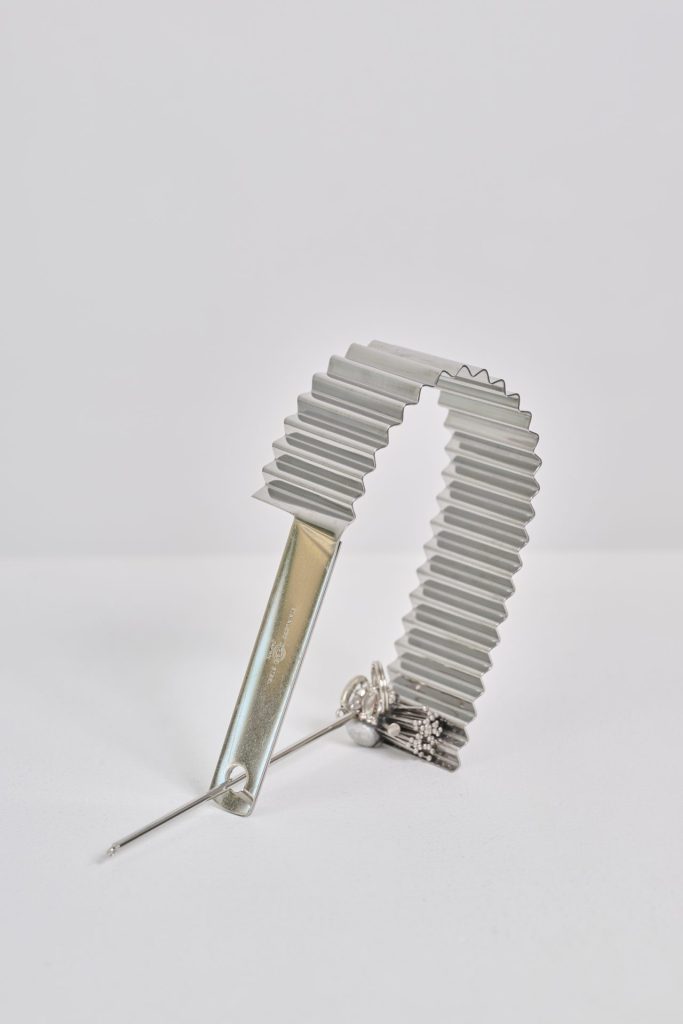
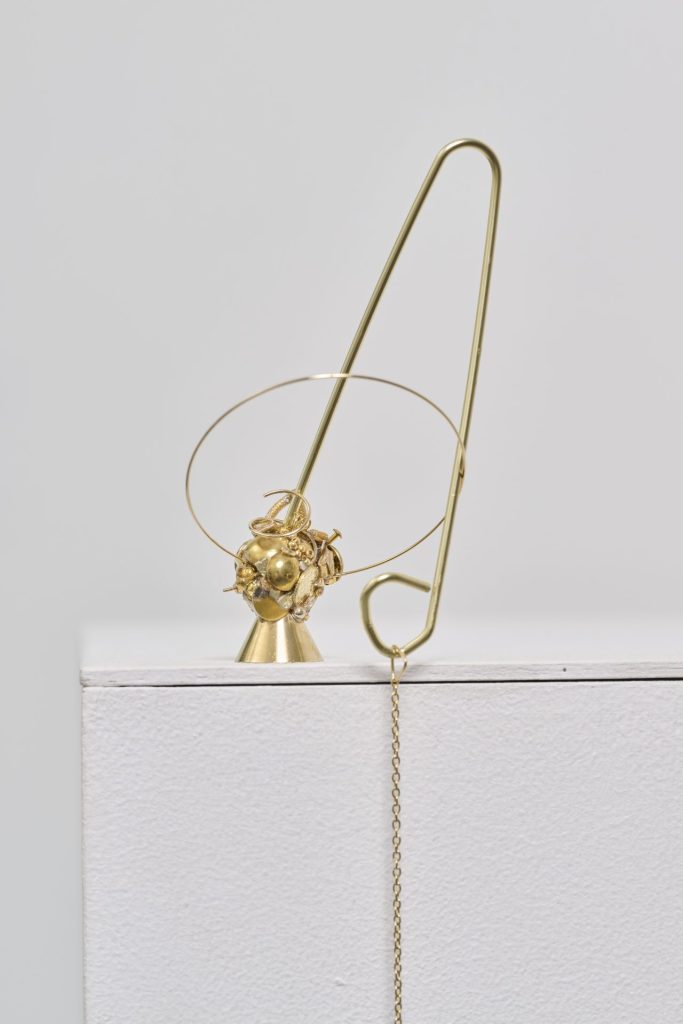
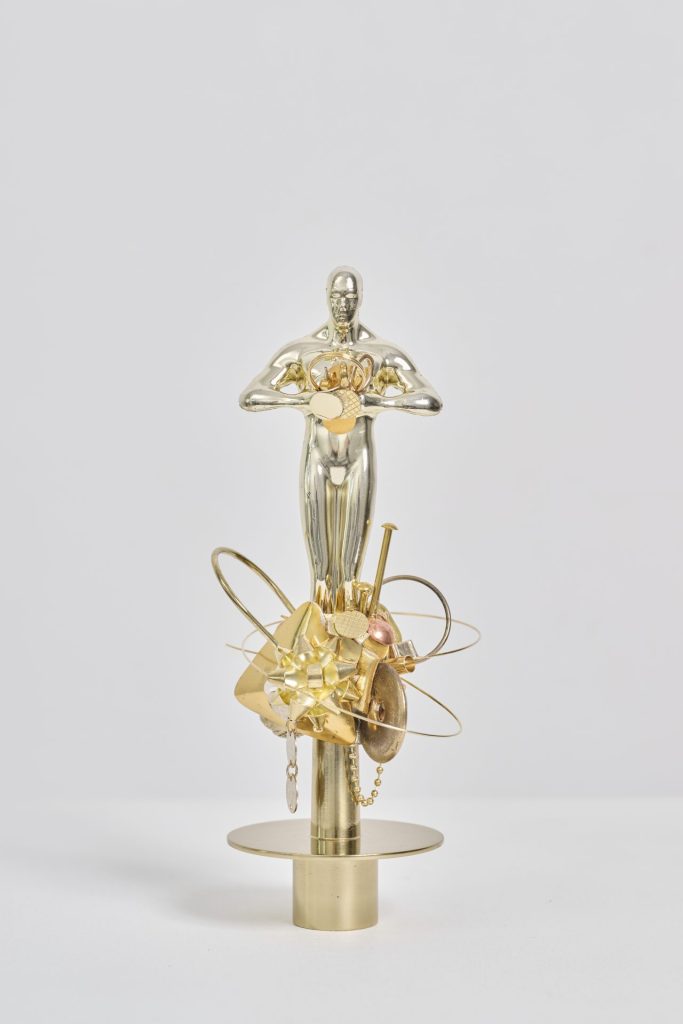
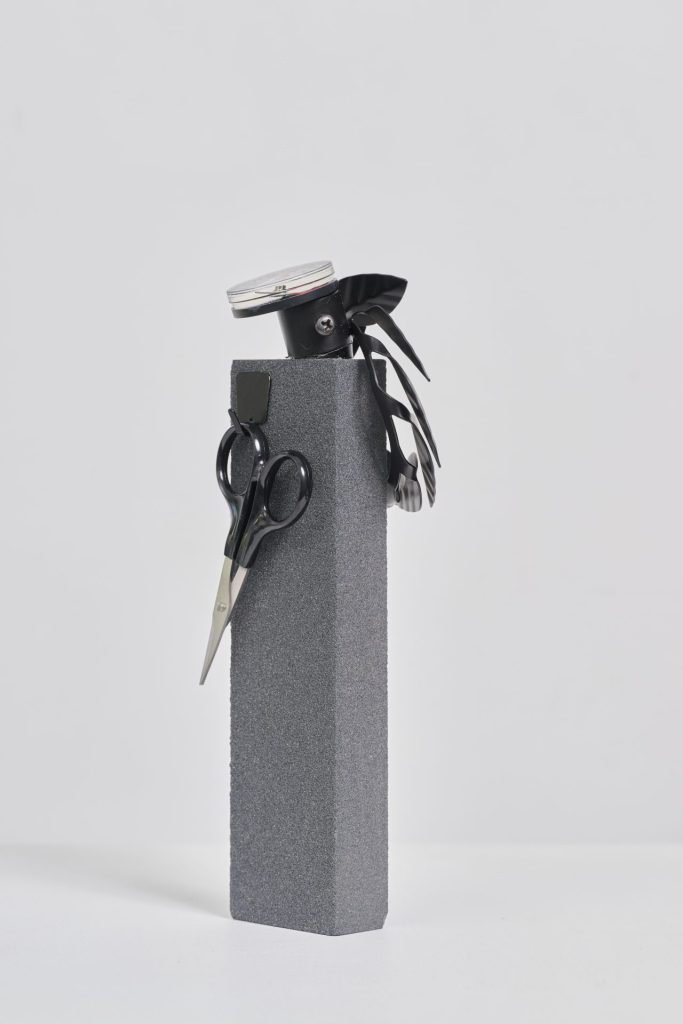
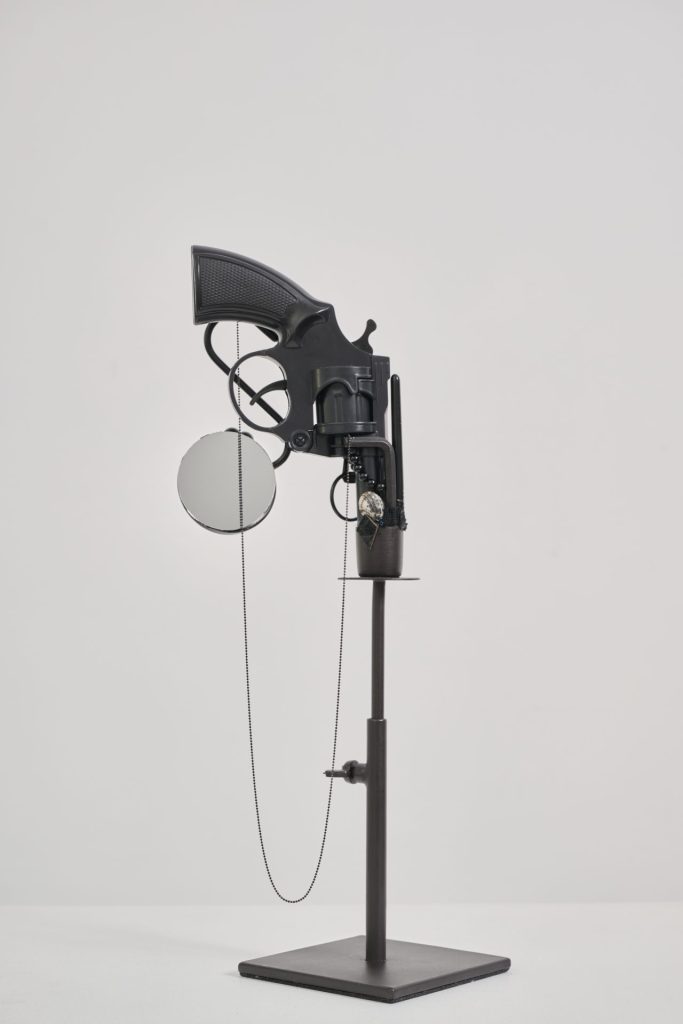
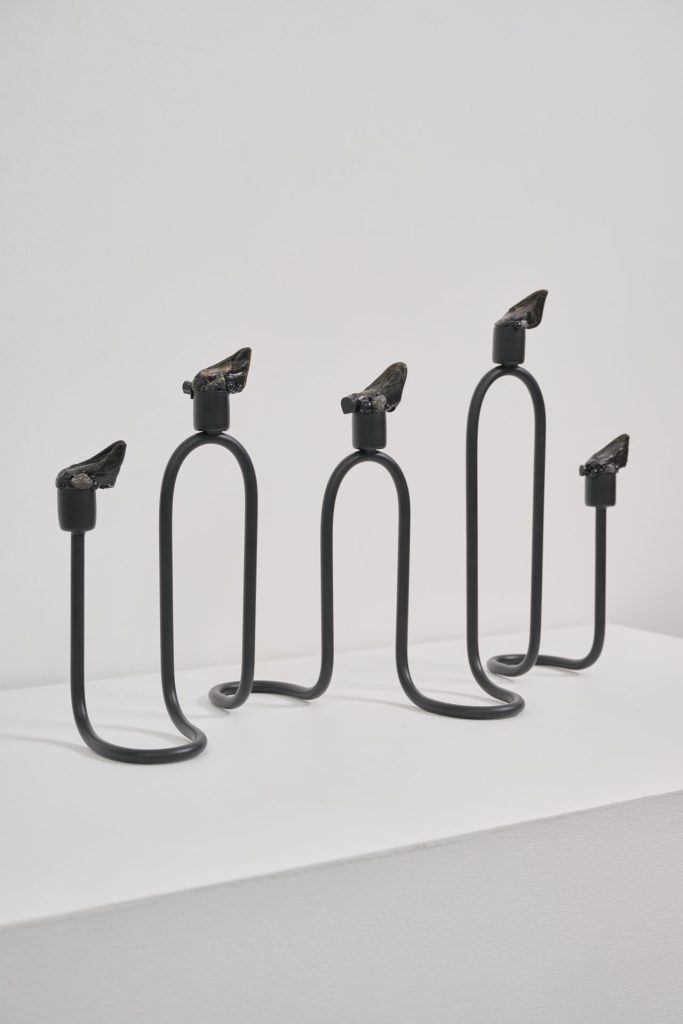
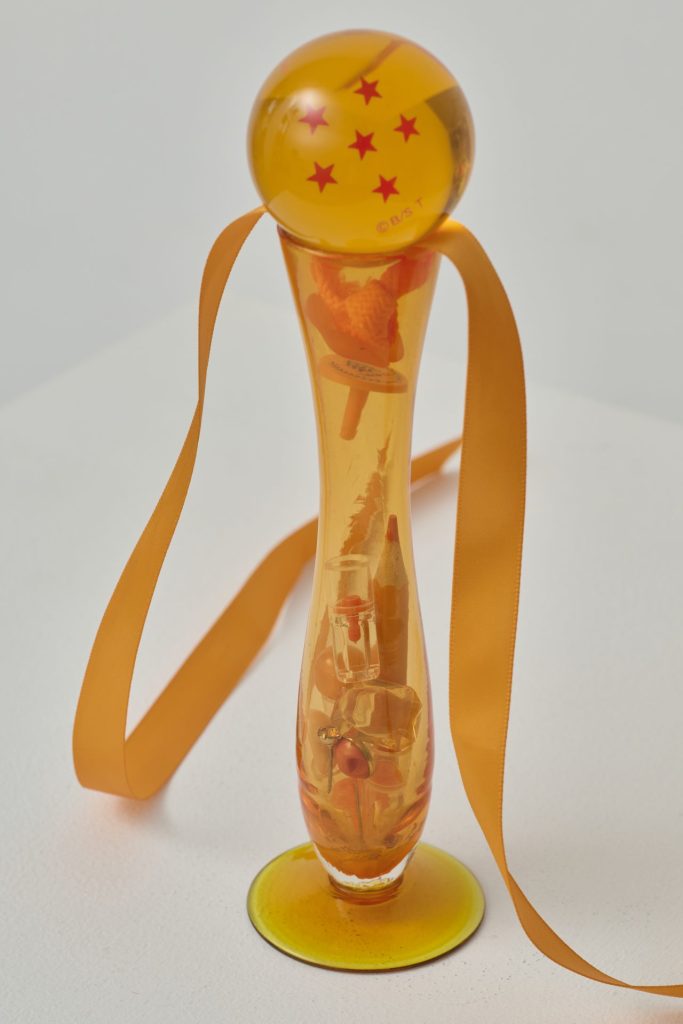
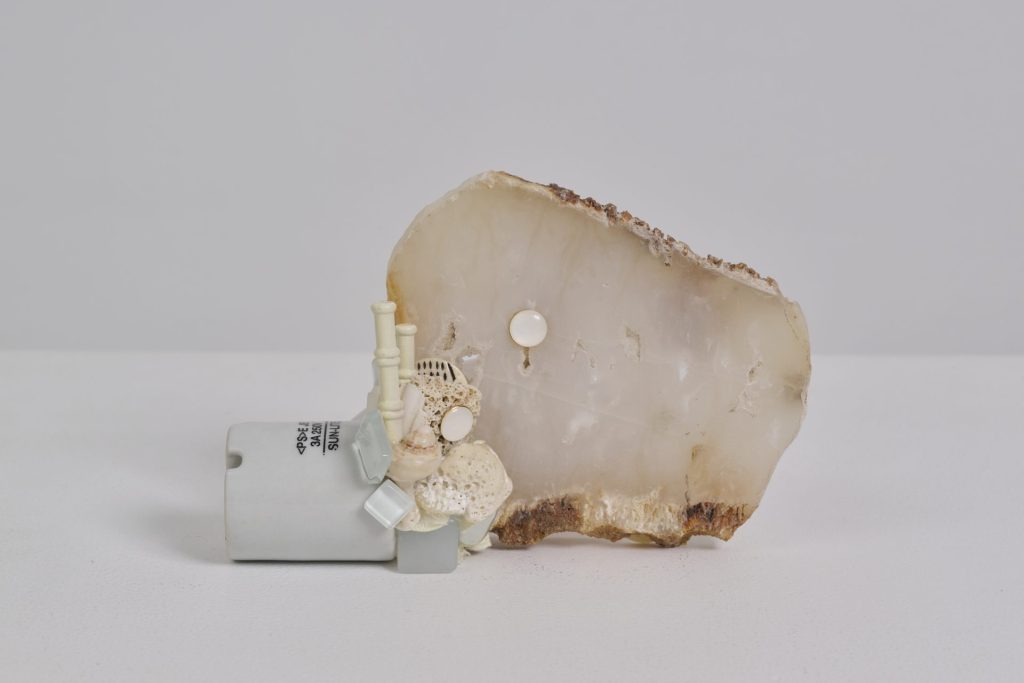
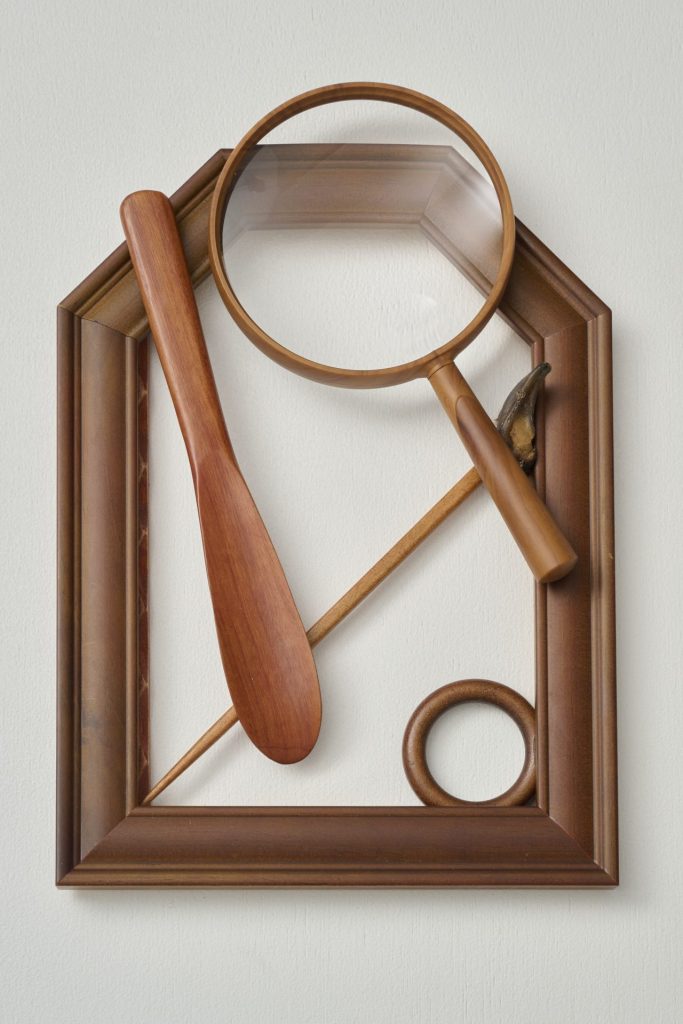
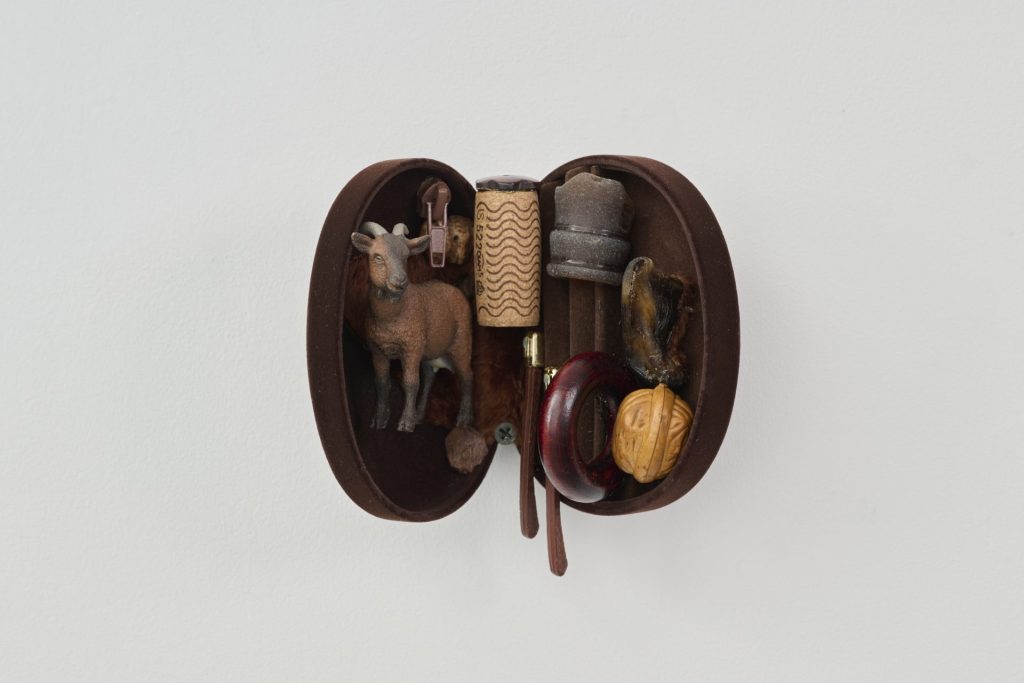
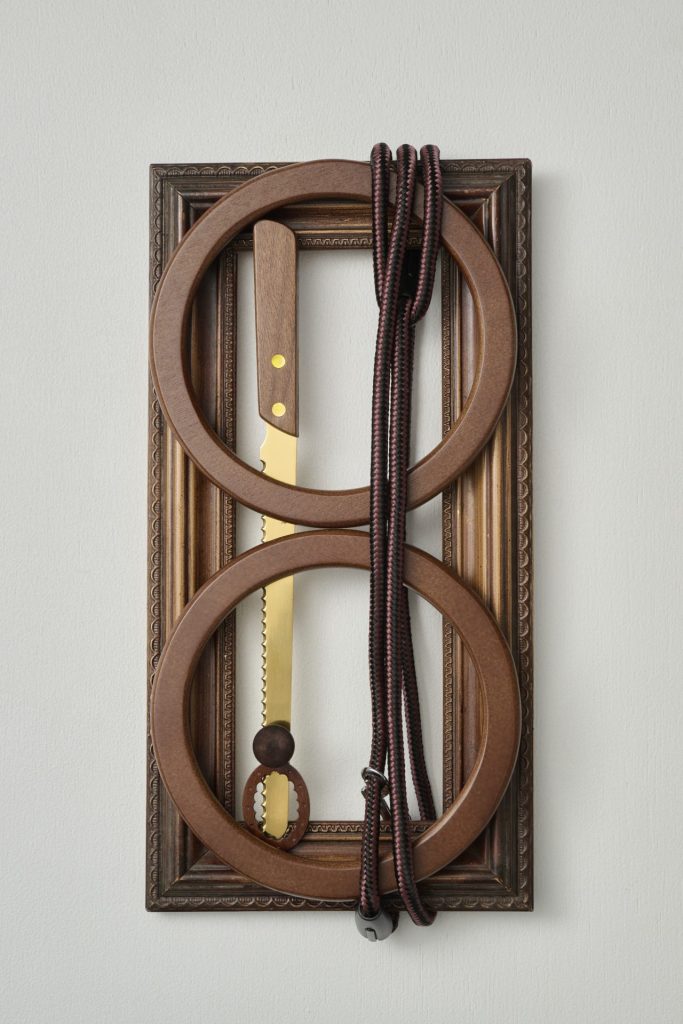
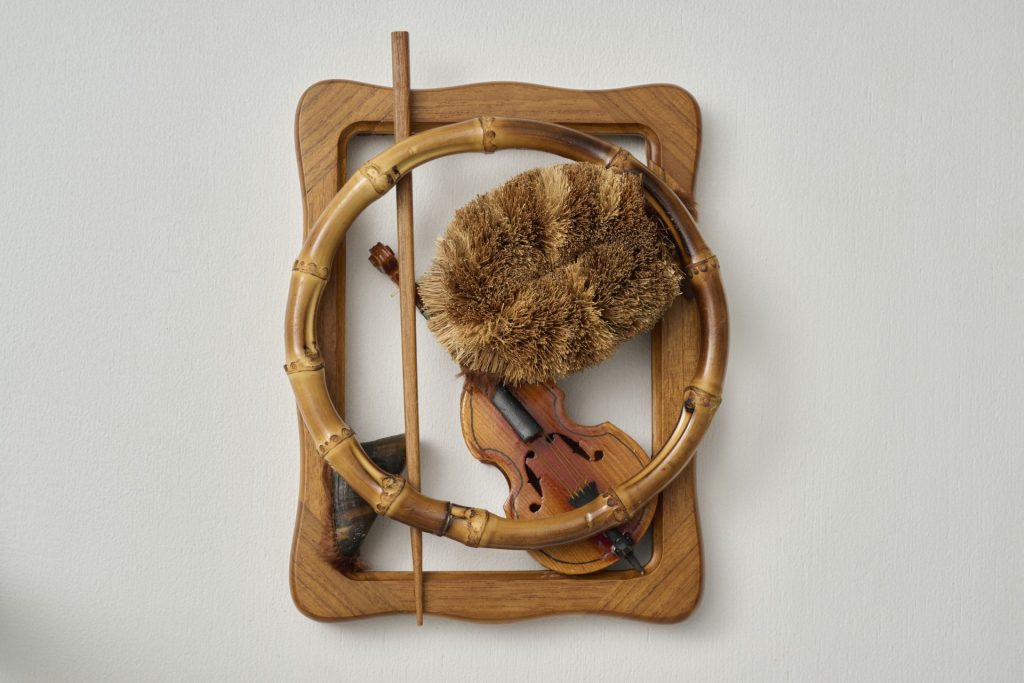
Yukari ARAKI “A Planet, Like a Goat, Like a Feather (abiding-in quiet presence)“
- Information
- Works
- DATE
- 2026-07-10 [Fri] - 2026-08-08 [Sat]
- OPEN TIME
- 11:00-18:00[Tue-Sat]
- CLOSE DAY
- Sun, Mon, National holidays
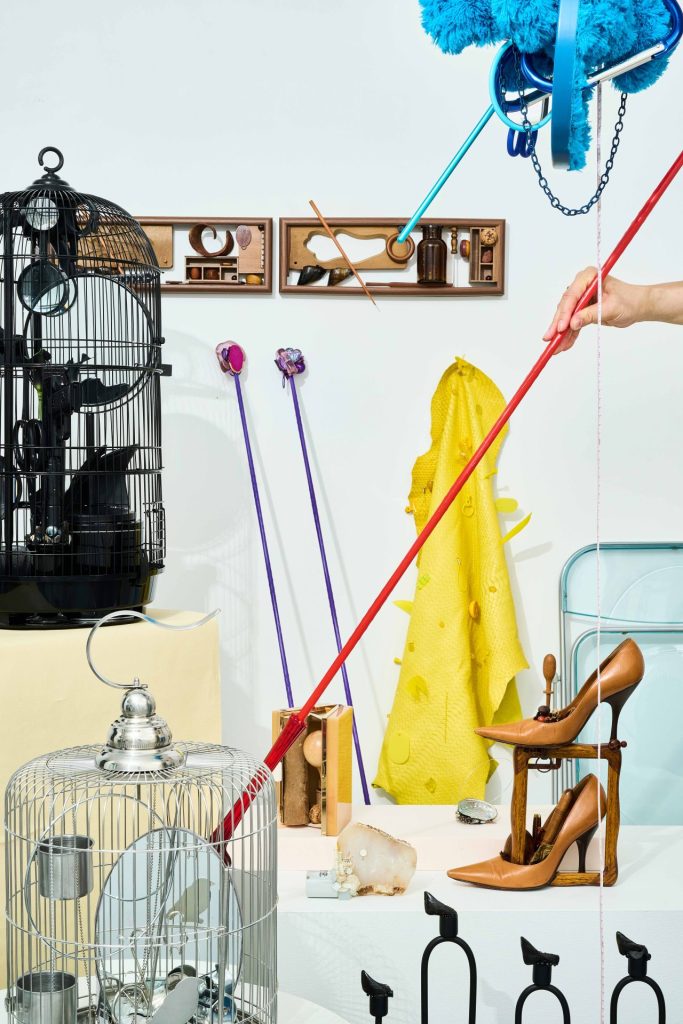
Photography: Yoshihiro Ozaki (DARUMA)
Courtesy of AIN SOPH DISPATCH
▪︎ Talk Event
Date & Time: July 11 (Sat), 4:30–5:30 PM
Guest:Mare ISAKARI(Art Critic)
○ Opening Reception: July 11 (Sat), 4:00–6:00 PM
LOKO GALLERY is pleased to present “A Planet, Like a Goat, Like a Feather (abiding-in quiet presence)”, a solo exhibition by Yukari Araki, opening on July 10. This will be Araki’s second solo exhibition with the gallery.
We warmly invite you to take this opportunity to view the exhibition.
A Planet, Like a Goat, Like a Feather(abiding-in quiet presence)
I once saw a photograph of numerous goats climbing in trees.
I have also seen images of goats standing calmly on sheer cliffs.
Perhaps because I am a Capricorn myself, I have always felt a certain affinity with goats.
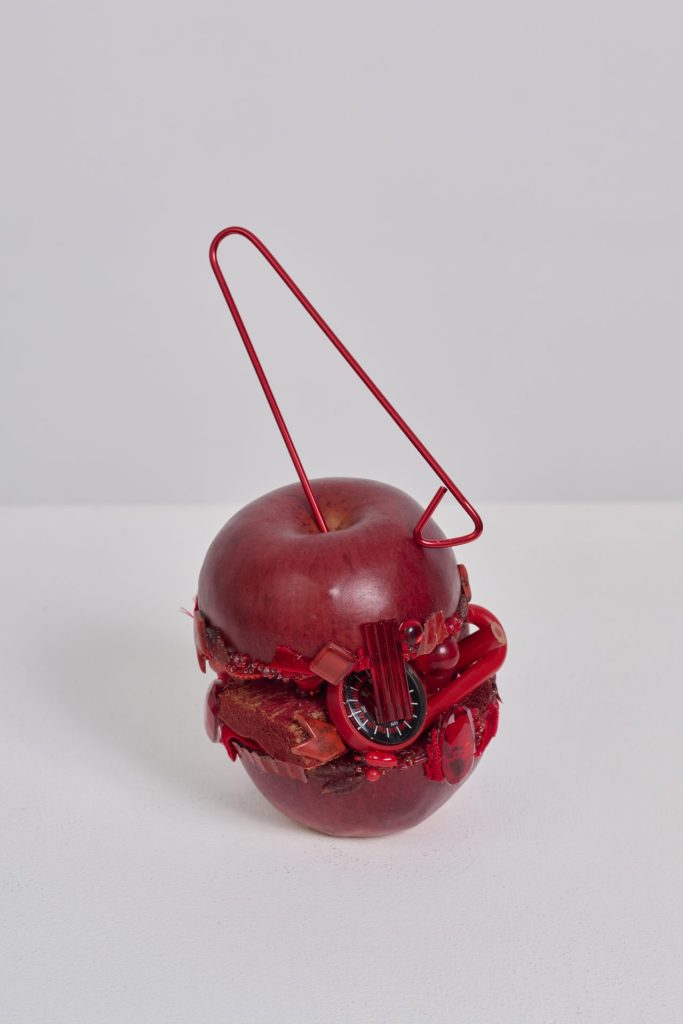
Before encountering this motif, I was strongly drawn to objects that evoke gravity—feathers, apples, strings, and similar forms. Yet goats seemed important to me in a different way. For reasons I cannot fully explain, I feel a sense of familiarity and kinship with them.
There are a few principles that guide my practice:
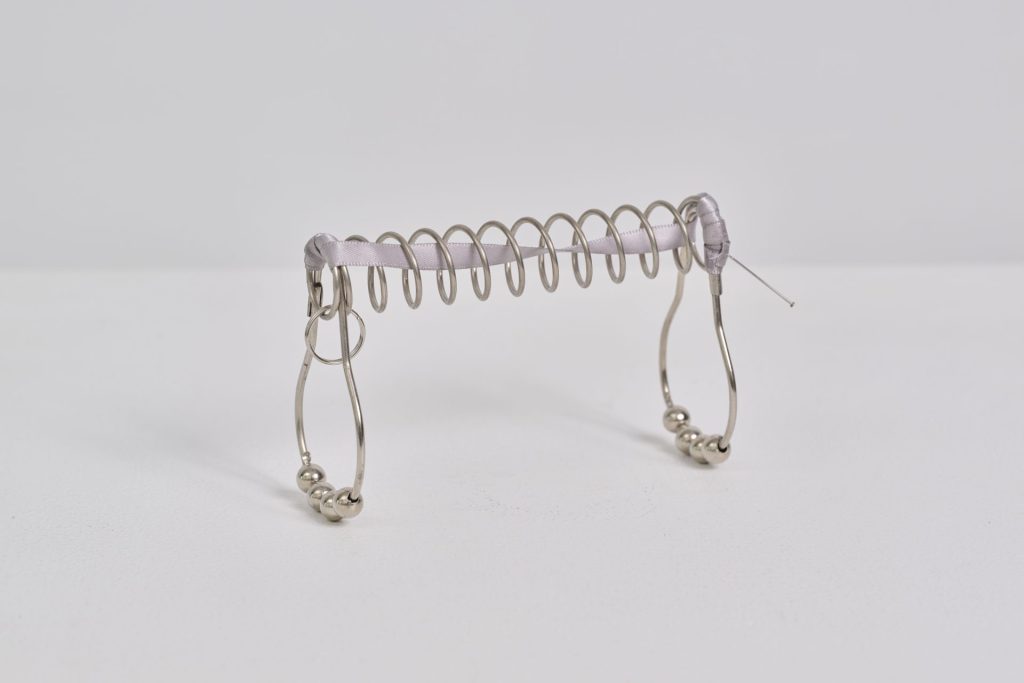
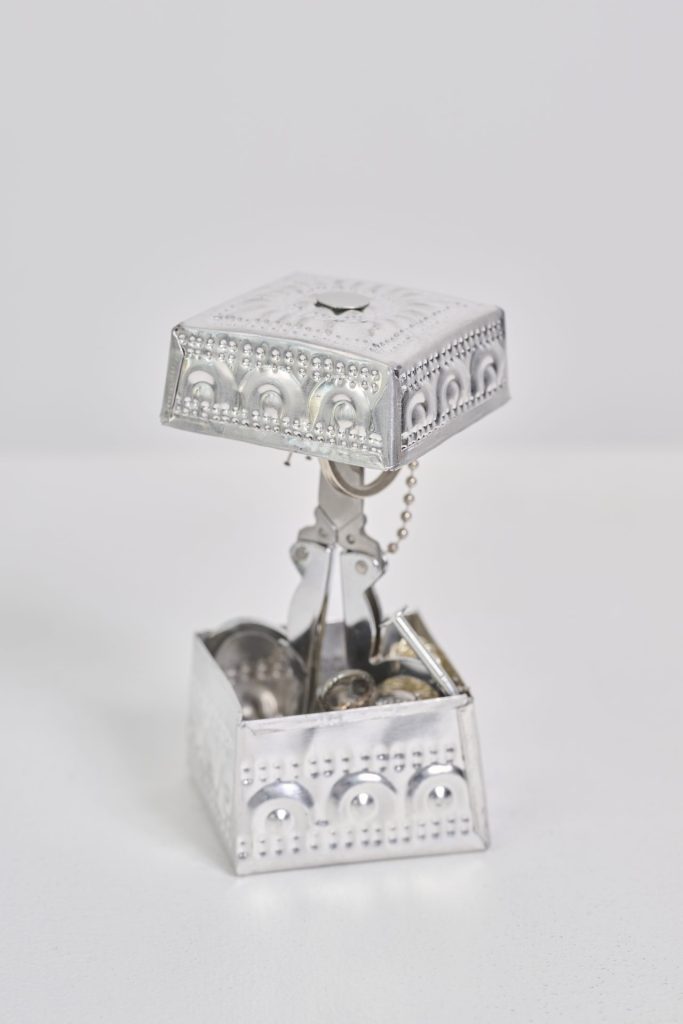
• Never apply color; use materials in their original color.
• Accept things as they are, including both their strengths and imperfections.
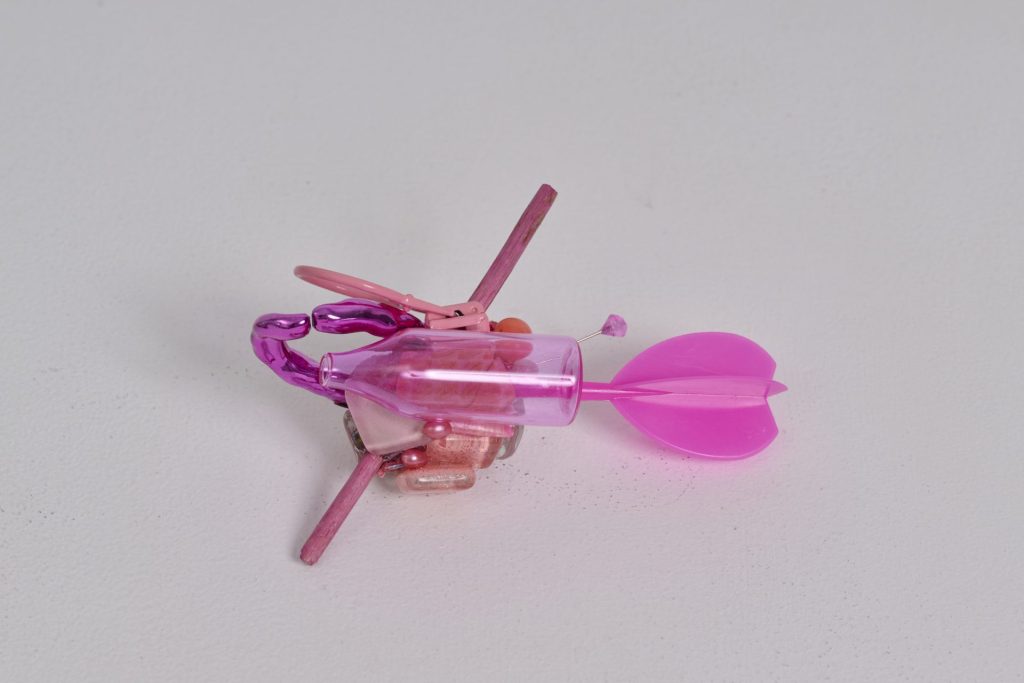
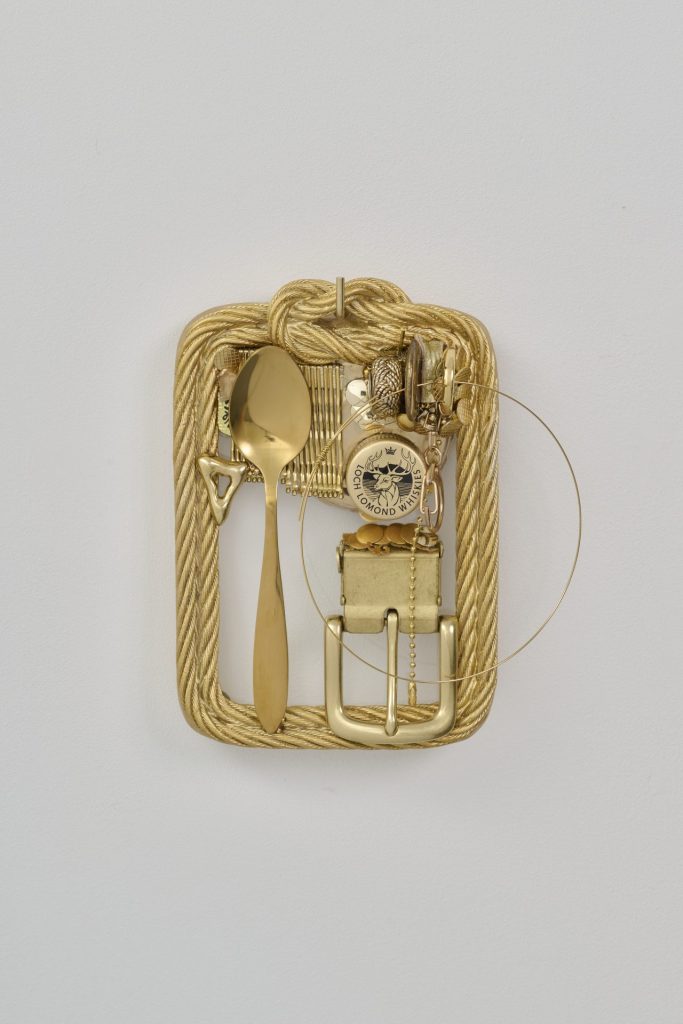
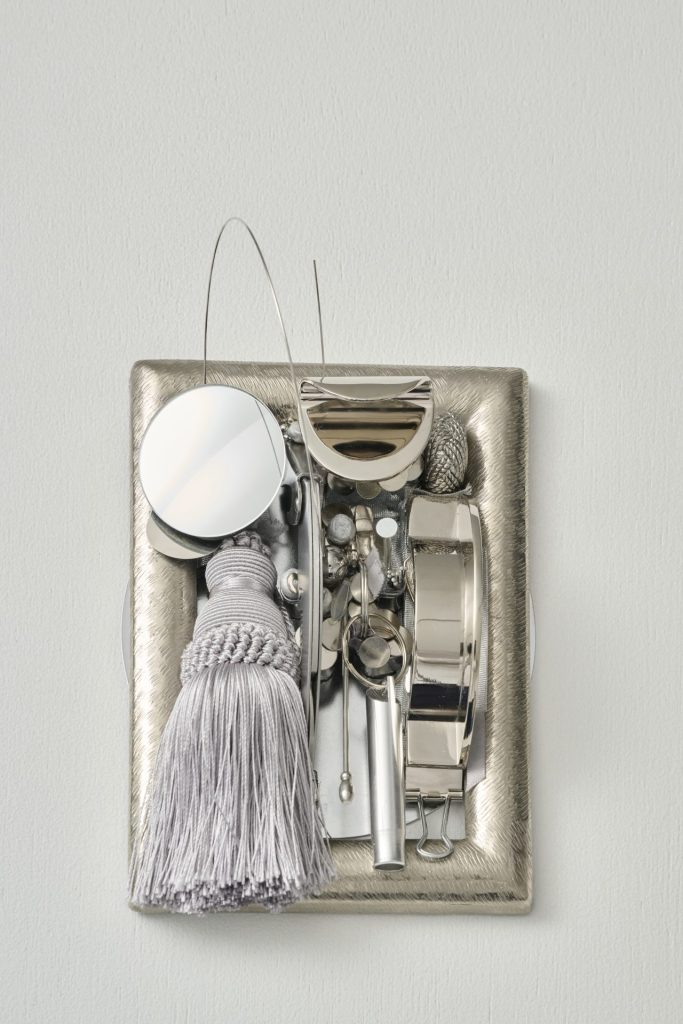
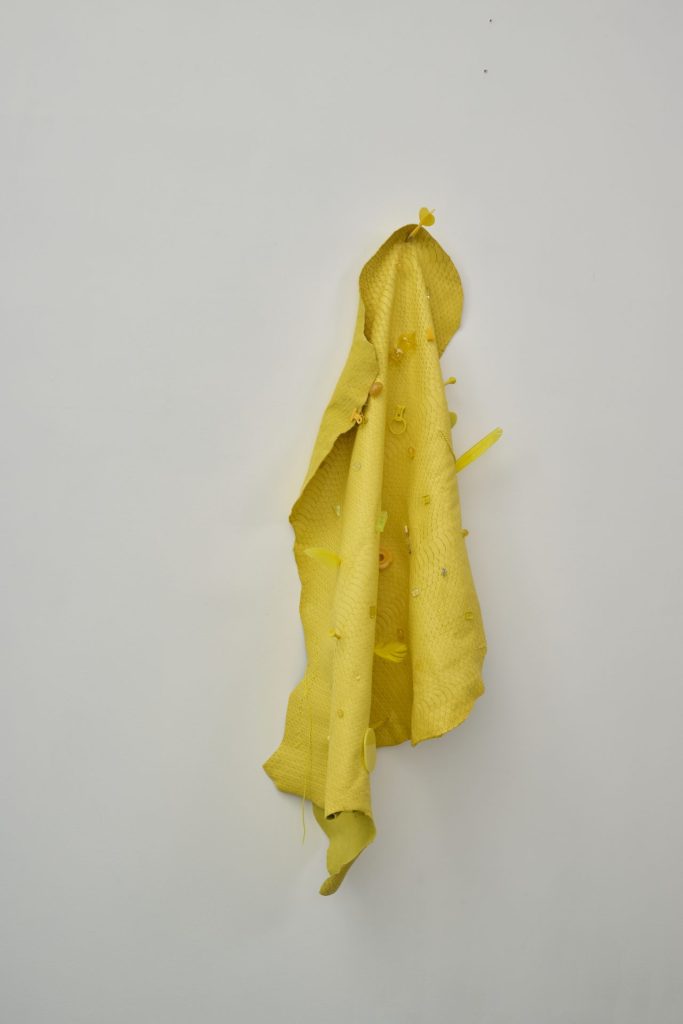
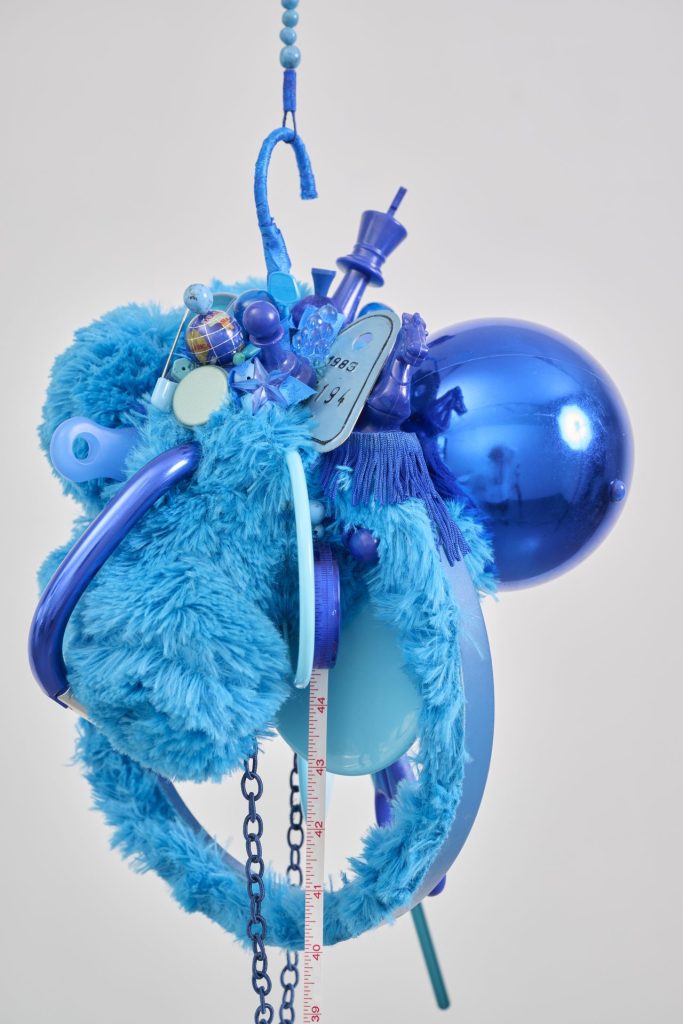
For the past sixteen years, I have continued my “Monotone Series,” in which I choose a single color and construct works from objects commonly identified by that color. Across different countries and regions, and over periods of several years, I have observed how the relationships between colors, objects, and products continually change. These shifts seem to reveal the connections between color, materiality, and the world itself.
For me, the process of collecting materials is already part of making the work. It is also a way of perceiving and understanding the world.
I would like to transform everything that exists in this world into art works—including immaterial elements such as light, sound, temperature, and wind.
Like the Earth itself, or like a living organism composed of countless cells, I aim to create works that function as integrated systems. Through the perspectives of each era, I hope these works can serve as frameworks for discovering new values and new ways of seeing.
In life, seeking to understand the essence of things is profoundly important. I strongly believe that recognizing the existence of perspectives beyond our own may, even in a small way, lead to fewer conflicts and misunderstandings.
Yukari ARAKI
For Things Lost to Oblivion: The Beautiful Cenotaphs of Yurika Araki
Yukino Tanaka
Curator, Okazaki City Museum
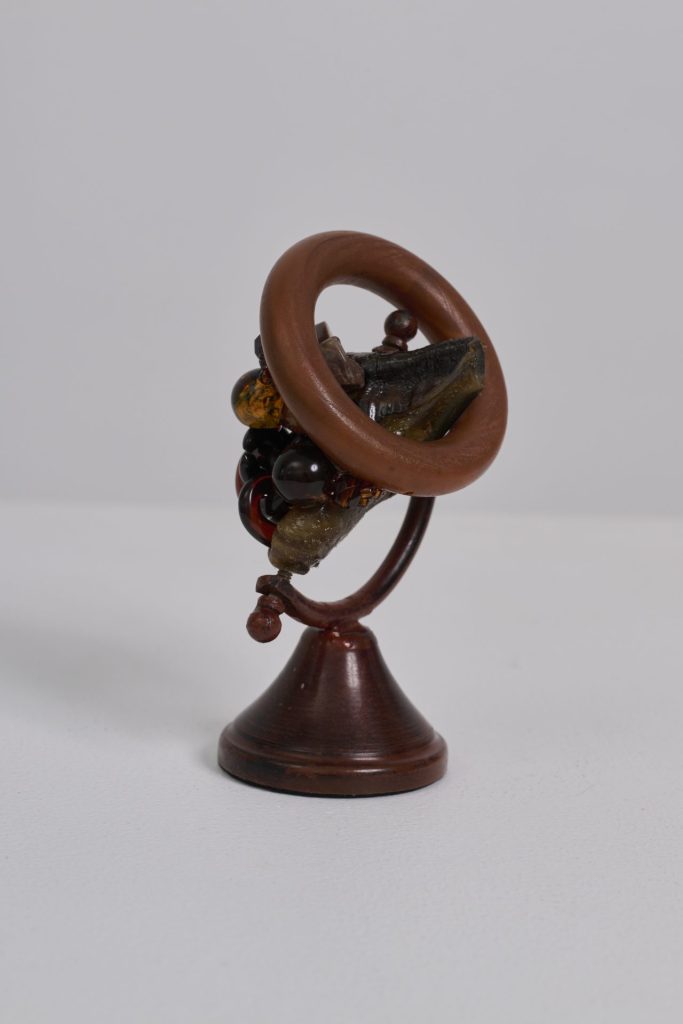
—“Araki-san, what exactly is attached here?”
Standing before a work that possessed a strange yet captivating allure, I found myself asking instinctively.
—“Goat hooves.”
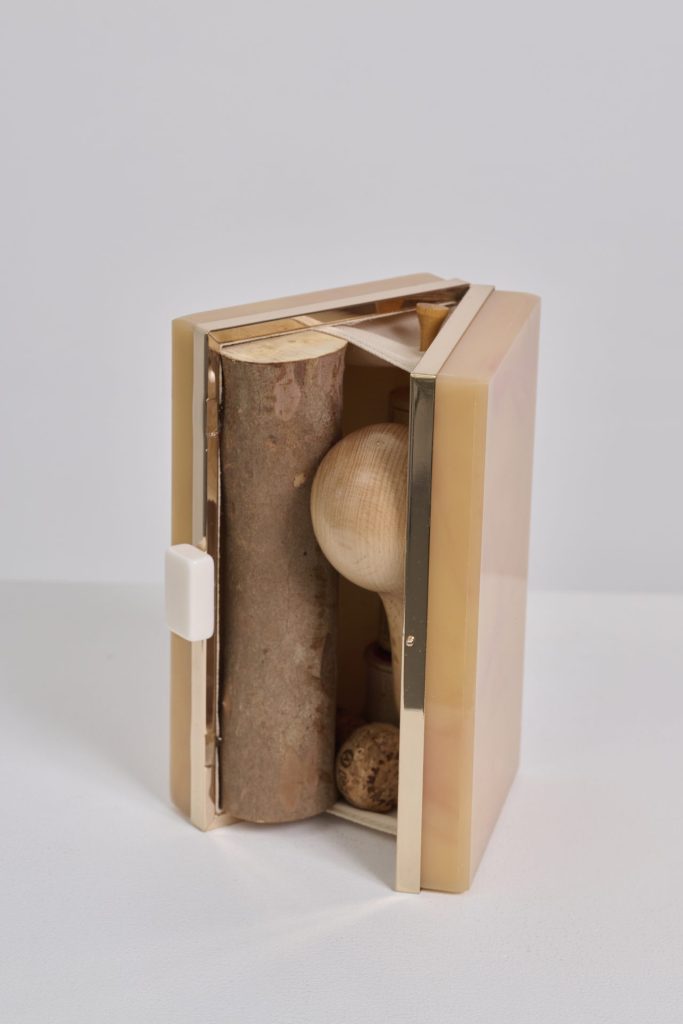
It was an answer that effortlessly overturned my assumption that it might be a mineral or perhaps a piece of wood. While the very fact that such an unusual material as goat hooves could be obtained is surprising, what moved me even more was that this material had been reconstituted into an artwork by Yurika Araki’s hands. At that moment, a certain poetic line came to mind:
“Beautiful as the chance encounter of a sewing machine and an umbrella on a dissecting table.”
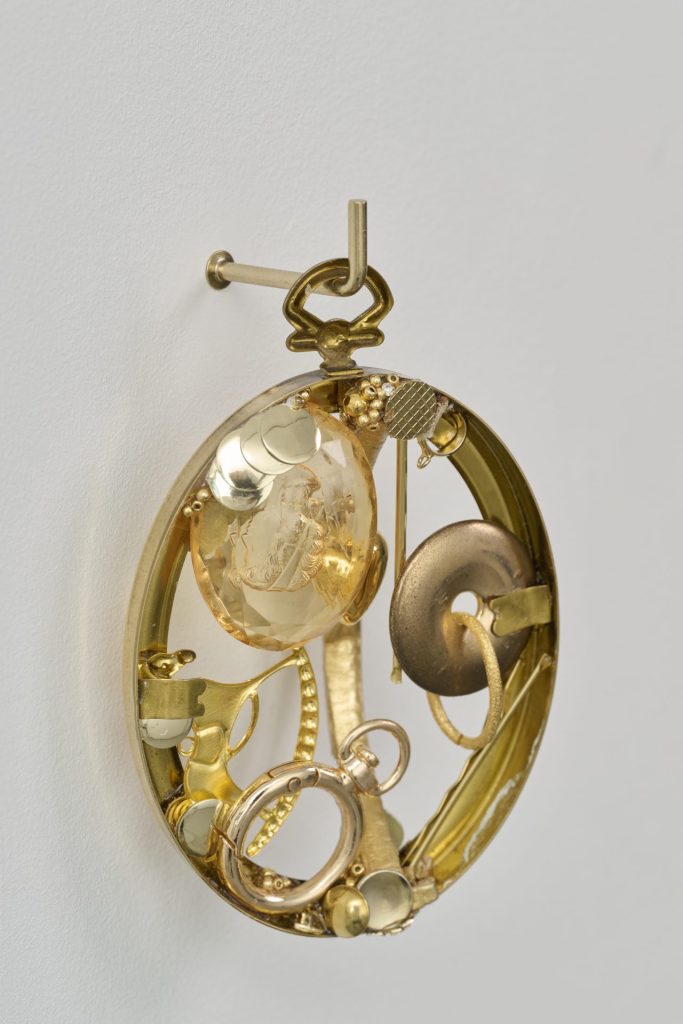
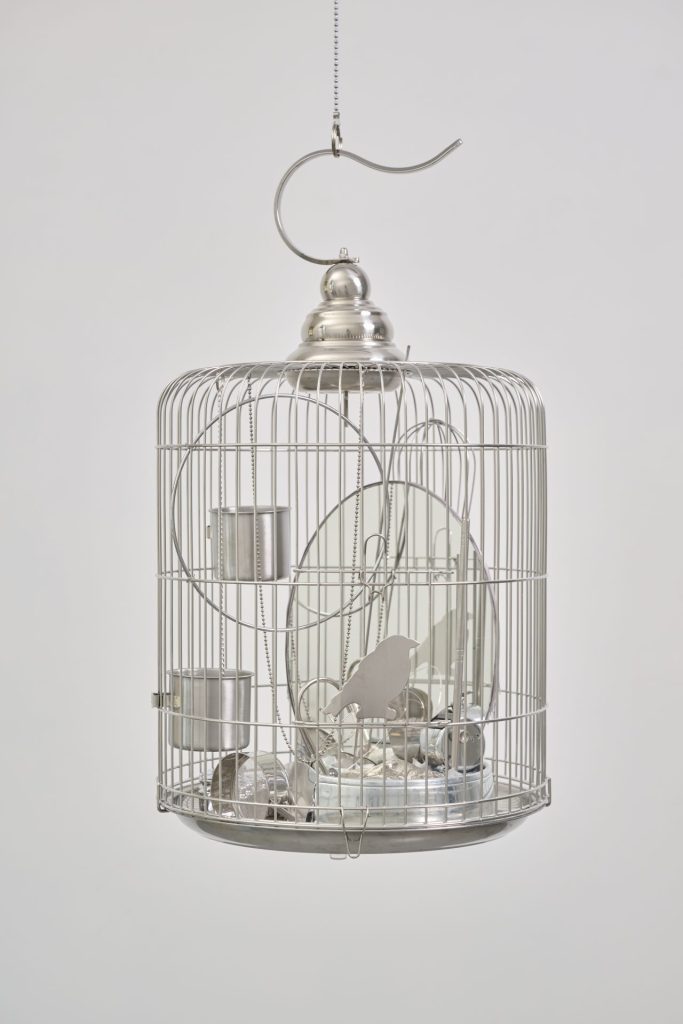
This famous phrase by the 19th-century poet Comte de Lautréamont expresses a strange, eerie, yet mysterious beauty that arises when unrelated things meet in an unexpected place. It captivated the Surrealists, the leading figures of the greatest artistic movement of the 20th century. This aesthetic is deeply connected to the technique known as “dépaysement,” frequently employed by them. Dépaysement, meaning “to displace something from its original context into another,” creates a powerful sense of incongruity and new meaning by placing an object in an entirely different environment. Lautréamont’s phrase is often cited as a symbolic example of this. In Araki’s work as well, the unexpected nature of her materials and their transformed placement embody this very technique. While goat hooves are among her more unusual materials, she also works with everyday manufactured items such as high heels, spoons, measuring tapes, beads, and toys. In her hands, these objects reveal new qualities latent within them.
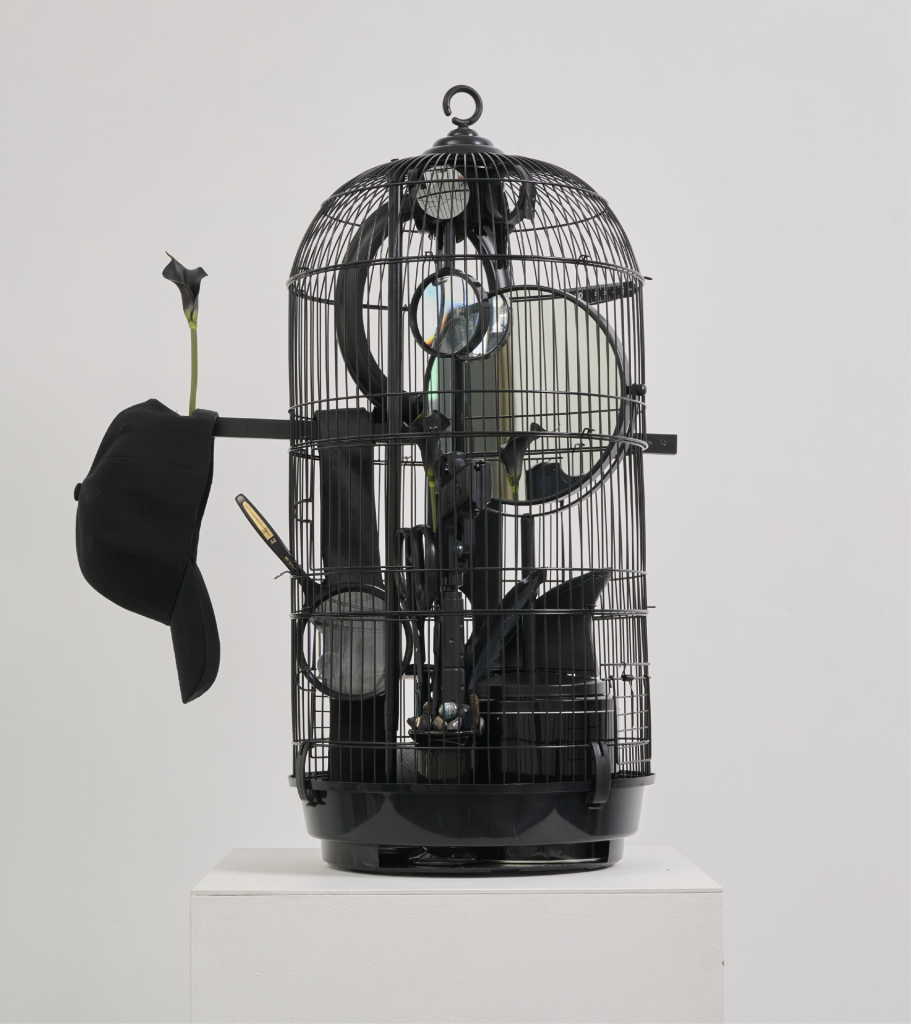
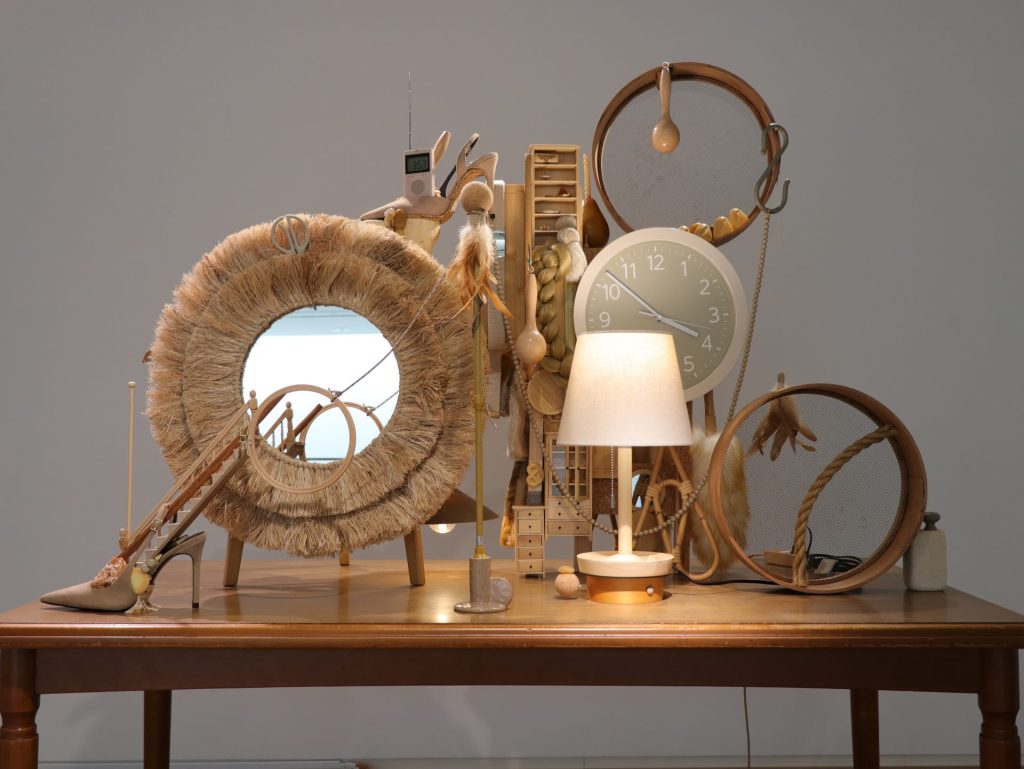
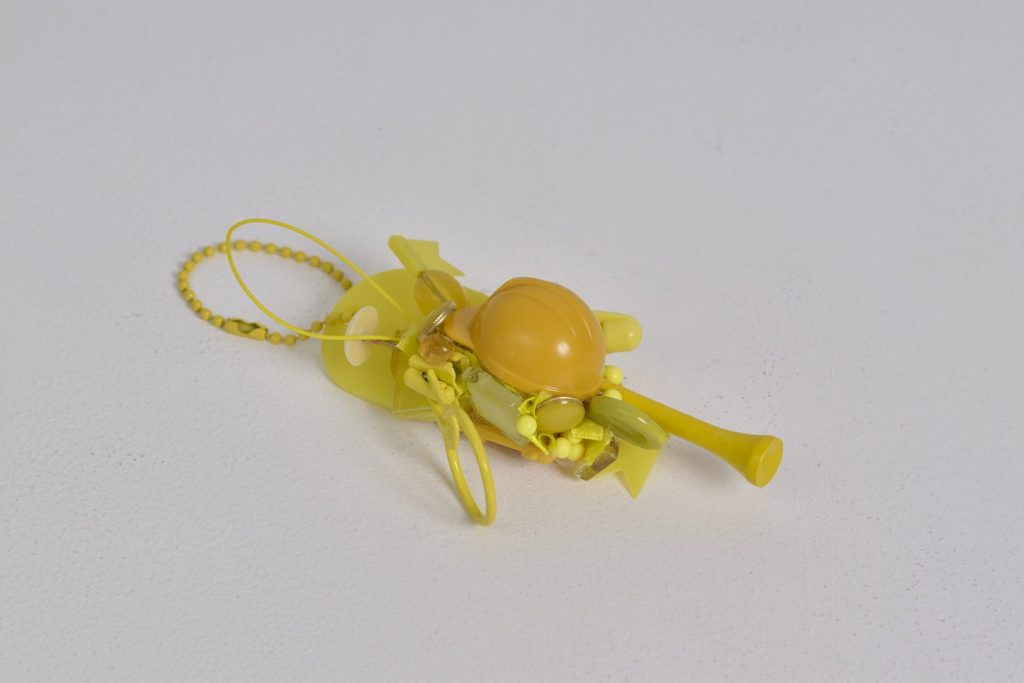
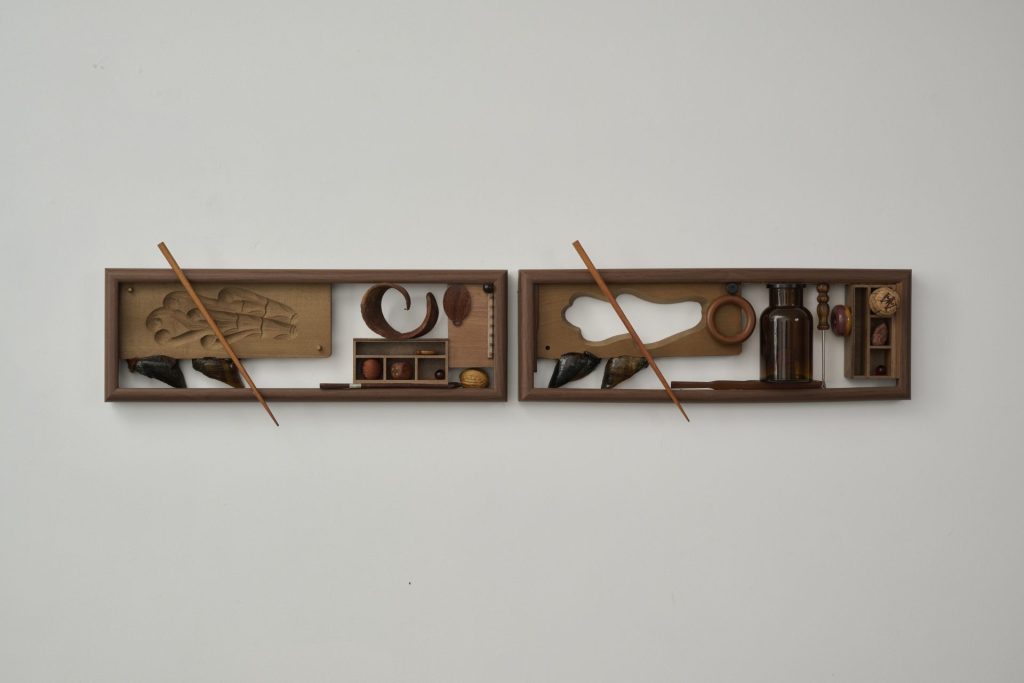
Araki’s method of production is assemblage: combining diverse materials to construct forms that seem familiar yet have never existed before. While incorporating ornaments and daily commodities that we encounter in everyday life, she carefully scoops up what is seen yet overlooked, what we pass by without noticing, gathering and reconstructing them through her unique aesthetic sensibility. Her creative process begins with the collection of materials that her sharpened perception deems usable. She captures fleeting moments of incongruity hidden within ordinary scenes and never lets them go. Perhaps because the materials she uses are relatively familiar, people sometimes bring items to her. These collected materials wait their turn in her studio—it may be one day later, three years later, or even five years later; even the artist herself does not know.One important process in her practice is sorting products by “color.” Here, she adopts a flat, impersonal perspective, following the color names assigned to products rather than her own preferences. She devised this method after finding that, in her early practice, collecting only her favorite reds resulted in monotony. She also avoids applying her own colors, saying that “once you paint them, any everyday object will do.” Coloring them herself would make it far easier to make them look like “art,” but it would also create uniformity, stripping away depth and fluctuation. To uniformly color ready-made objects might mean, for Araki, removing the identity inherent in the material and the narrative embedded in the product itself.
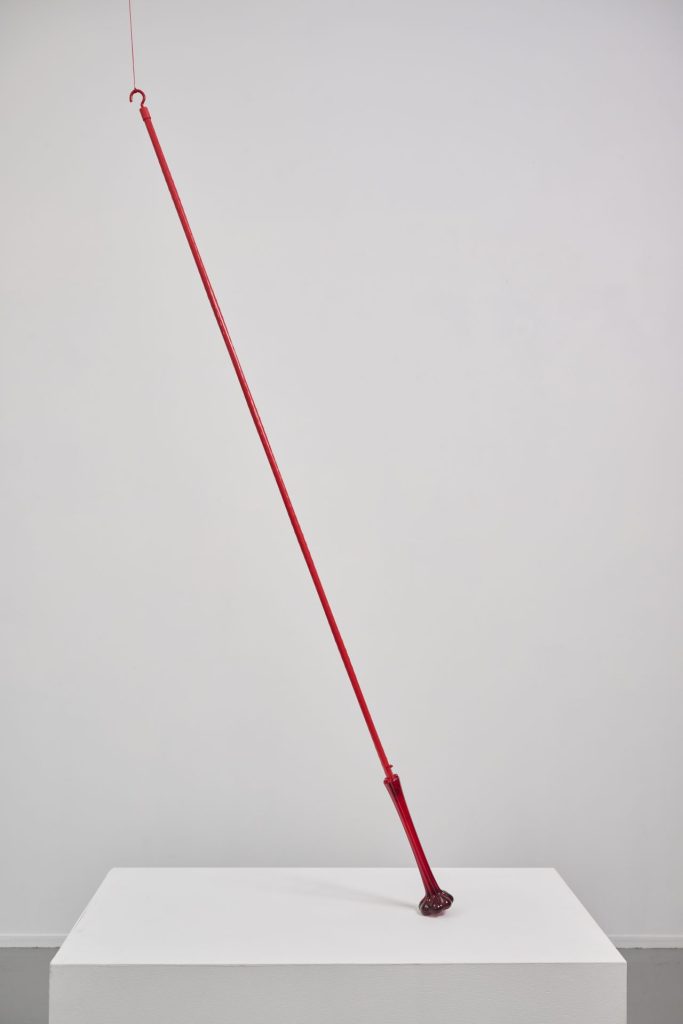
Her recent works begin from the theme suggested by the title: “Planets, Standing Like Goats or Feathers.” In particular, her fascination with goats is strong. This relates both to her admiration for their ability to climb unstable surfaces effortlessly, seemingly defying gravity, and to the fact that she herself is a Capricorn. One reason she is drawn to goats lies in her constant engagement with questions of center of gravity, balance, and proportion. Her works may be assembled and suspended from the ceiling, or stabilized on a pedestal. In either case, she must decisively determine where to attach each element and at what angle to present it. During construction, delicate judgments are required—raising the center of gravity or carefully considering it in adhesion. Her attraction to goats, with their supple bodies and exceptional balance, may be seen as a unique yet inevitable motif born from her pursuit of balance and structural beauty.
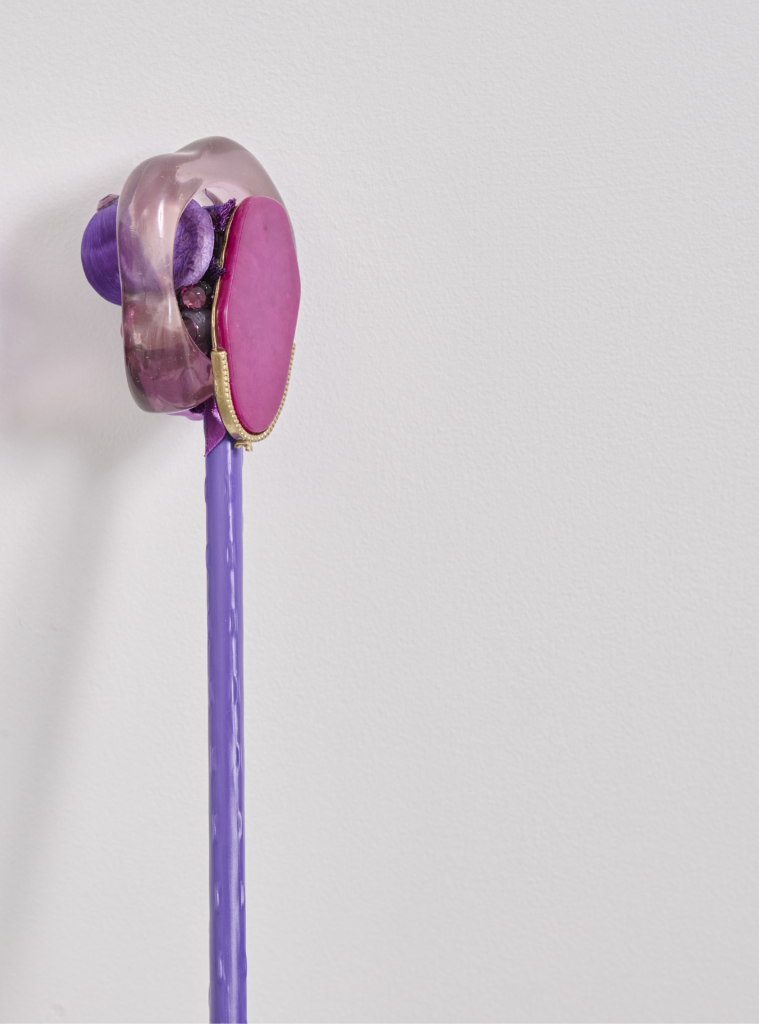
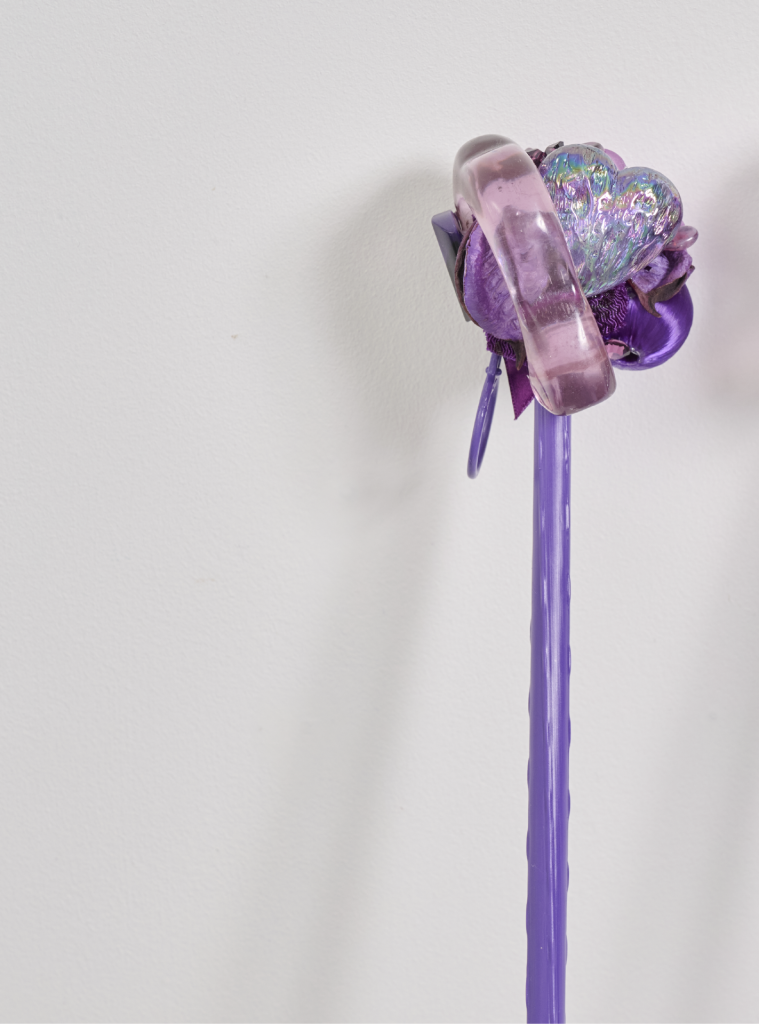
Araki often uses high heels in her works. Many are titled simply by the colors she has sorted, but she has also developed a series titled “Forms Seen in Birds and High Heels.” In the latter, sharp shapes reminiscent of beaks and forms suggestive of spreading wings appear throughout. Here, the organic presence of birds and the artificiality of high heels are gently connected, stimulating the viewer’s imagination. These high-heel series are among her signature works, often dazzling and dreamlike. Because high heels are easily associated with fashion, her works are frequently linked to it. However, while fashion belongs to applied arts with practical functions, Araki’s works belong to fine art, created primarily for contemplation. This marks a fundamental difference.Rather than dwelling on superficial associations, it is worth considering a deeper relationship. One of the most important elements of fashion is proportion. Clothing is constructed by sewing together different materials—fabric, buttons, zippers—and through this combination, heterogeneous elements are reborn as a single garment. Further, by selecting and combining multiple garments according to color and form, a unique style emerges for each body. This process of combination, reconstruction, and adjustment of proportion in fashion resonates deeply with Araki’s practice. While each material is utilized to its fullest potential, her completed works and installations present entirely different impressions when viewed microscopically versus macroscopically. Yet both perspectives reveal a refined beauty—an embodiment of Araki’s perfect world. She moves freely between micro and macro viewpoints, constructing space and form. By severing materials from their existing systems of meaning and generating new values, her works symbolize the sensibilities of a contemporary world in constant flux. Once gathered by her, things that might have been forgotten regain their brilliance and begin a new path.
At the core of her creative impulse seem to lie two axes: life and death. This is evident in her respect and curiosity toward ready-made objects that fill our surroundings, and in her attitude of reconstructing them to create new value. When collecting materials, she always reflects on where they came from and for what purpose they were made. This reflects a desire to cherish their histories and receive their narratives with care. When I once asked what she wished to convey through her work, she replied:
—“I’d be happy if people a hundred years from now rediscovered my works as if they were fossils, and imagined what kind of strange things once existed in this world.”
Within Araki’s works resides a prayer-like possibility: that fragments of daily life we might dismiss as “junk” can be transformed into art. Materials rediscovered by her are endowed with new stories, reborn, and set into circulation. In this sense, her work aligns with a positive aspect of capitalist society—the transformation and creation of value—while simultaneously functioning as an antithesis to mass consumption. Many objects dismissed as “junk” are products of such a society, rendered unnecessary once trends pass. Among her materials are those on the verge of sinking into oblivion. She gives them new narratives and passes them into the future.I describe her works as “beautiful cenotaphs” because a cenotaph inscribes the names and deeds of the dead, functioning as a device of memory that connects their traces to the future. It exists for the living, carrying new stories forward. In this sense, its role as both a memorial and a spiritual support resonates deeply with her works. Just as a cenotaph reinterprets inscribed meanings within new contexts, reconnecting memory, her works give new stories to things on the brink of oblivion and quietly regenerate them. The fragments revived by her hands resemble beautiful cenotaphs dedicated to things lost to oblivion.
The “beauty” in Araki’s work is inherently ambivalent. As noted earlier, her fundamental creative impulse lies in the dual axes of life and death—not opposing forces, but ones that continually circulate and repeat. While her works appear to present a complete aesthetic world, the fact that her method is continuously repeated suggests an endless chain—like mirrors facing each other, generating infinite reflections.
Just as a “beautiful cenotaph” evokes both beauty and death, beneath the surface beauty of her works lies the very existence of the materials themselves. Indeed, by pursuing beauty to its utmost and making it an end in itself, the subtle distortions and fundamental incongruities that arise when heterogeneous materials are combined become even more sharply visible.
In this sense, Araki’s “beautiful cenotaphs” contain a critical perspective on the very framework of beauty. They invert the question of what beauty is, quietly unsettling existing systems and values while striving to transcend them.
Yukari ARAKI – CV
Born in Mie Prefecture in 1983
2005 Graduated from Nagoya University of the Arts, Faculty of Fine Arts, Department of Art and Design
2006 Completed the research student
▪︎ Selected Solo Exhibitions
2026 A Planet, Like a Goat, Like a Feather (abiding-in quiet presence) (LOKO GALLERY / Tokyo)
2025 Power to the Color ( Takashimaya Osaka Store, 6th Floor Art Gallery NEXT / Osaka)
2024 Talkative happy colors ( GINZA SIX TSUTAYA Bookstore / Tokyo)
2023 Fragments of a Better World (AIN SOPH DISPATCH / Nagoya)
2022 Talkative (and eloquent) colors (SYP GALLERY / Tokyo)
2019 Daytime stars (Sakushima / Aichi)
2016 Gravity of the eyes (LOKO GALLERY / Tokyo)
2012 APMoA Project ARCH Nothing, nothing (Aichi Museum of Art / Nagoya)
▪︎ Major group exhibitions
2024 Osaka Art&Design 2024 、OSAKA TAKASHIMAYA COLORS of LIGHT(Takashimaya Osaka / Osaka)
2024 ART SESSION by TSUTAYA Bookstore NEW YEAR PARTY ( GINZA SIX TSUTAYA Bookstore / Tokyo)
2024 MYY BOOKS 2011-2024 (gallery gareco / Nagoya )
2024 Daimonji and Art 2024 ( Kansai Franco-Japanese Institute / Kyoto )
2024 OK TO NOT BE AN ARTOHOLIC YET. (MIAKI gallery / Tokyo)
2023 The space between ( RUM 21 / Vejile ,Denmark)
2023 Premonition of Beauty2023 ―Sculpture(Takashimaya Art Gallery/Tokyo,Kyoto,Osaka,Nagoya,Yokohama,SHinjyuku)
2023 Homage TAKARAZUKA-Spring Primavera(Takarazuka City Cultural Arts Center / Hyogo)
2022 ART @ ISETAN MEN’S (Isetan Shinjyuku / Tokyo)
2022 bandwagon effect (Blend Studio / Osaka)
2020 Mt. Fuji Biennale 2020 (former Mishimaya Hotel / Shizuoka)
2020 Non-human control (TAV GALLERT / Tokyo)
2019 Eve of Break (Roppongi Hills AD Gallery / Tokyo)
2018 Kyoto Art Lounge (Anteroom Kyoto / Kyoto)
2018 Fune/Hashi Watasu 2018 (Nara Prefectural University / Nara)
2018 VOGUE FASHION7S NIGHT OUT 2018 (Kobe Daimaru / Hyogo)
2017 International workshop “DRAWING” inHannover (Galerie Rode und Lanfer / Hannover, Germany)
2016 Reflection (Museum of Modern Ceramic Art, Gifu / Gifu)
2015 Wabi-Sabi-shima (HANGAR H18 / Brussels)
2015 Mie New Generation 2015 (Mie Prefectural Art Museum / Mie)
▪︎ Awards
Arts Challenge 2009
Selected Gunma Youth Biennale 2010
Selected Reiwa 2nd Year Aichi Prefectural Arts and Culture Award New Face Award
▪︎ Public Collections
Saku Island (Nishio City, Aichi Prefecture)
Fondation Thalie
Aloft Tokyo Ginza
Artist Website
https://www.yukariaraki.com/?lang=en
ARTIST PROFILE: Yukari Araki